How Dust and Allergens Build Up in Window Treatments
To reduce dust and allergens buildup in window treatments, local service providers can thoroughly clean and refresh your window coverings for healthier indoor air.
Understanding how dust and allergens build up in window treatments is key for property owners looking to maintain a healthy and clean living or working environment. Over time, these often-overlooked surfaces can trap dirt, pollen, pet dander, and other airborne particles, which may contribute to allergy symptoms or indoor air quality concerns. For those in the area managing busy households or commercial spaces, staying on top of this buildup can be a practical step toward creating a fresher, healthier space. Local contractors who specialize in dust and allergen window treatment cleaning can offer tailored solutions to help keep these surfaces free of dust and allergens, ensuring they look good and contribute to a cleaner indoor environment.
Exploring how dust and allergens accumulate in window treatments can also reveal why regular cleaning is important for property upkeep and health. Window coverings like blinds, shades, or curtains often collect more dust than one might expect, especially in high-traffic or dust-prone areas. Property owners seeking effective ways to address this buildup might find that professional cleaning services offered by local experts can make a significant difference. These specialists understand the intricacies of different window treatment materials and can help maintain a cleaner, allergen-free space, making it easier to breathe easier and enjoy a more inviting environment.
- Dust and allergen window treatment cleaning - is recommended when homeowners notice increased dust accumulation or allergy symptoms worsening, with local contractors using specialized cleaning tools to remove buildup.
- Dust and allergen window treatment cleaning - is needed after allergy seasons or prolonged periods of neglect, with service providers carefully vacuuming and wiping down delicate fabrics and blinds.
- Dust and allergen window treatment cleaning - becomes necessary when dust and allergens have accumulated visibly or cause respiratory discomfort, with local pros employing thorough cleaning methods to improve air quality.
- Dust and allergen window treatment cleaning - is essential when window treatments have not been cleaned for a long time, with professionals removing dust from deep within fabric folds and slats.
- Dust and allergen window treatment cleaning - is advised for households with allergy sufferers or pets, with local contractors performing detailed cleaning to reduce airborne allergens trapped in window coverings.

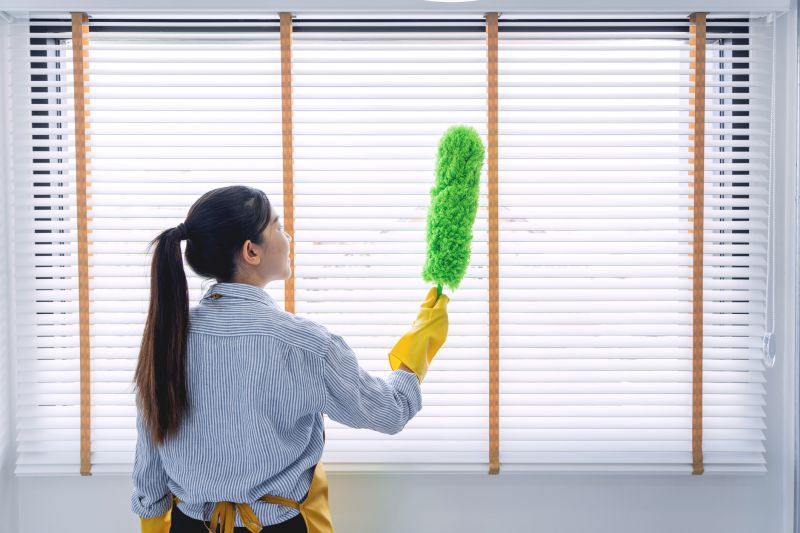
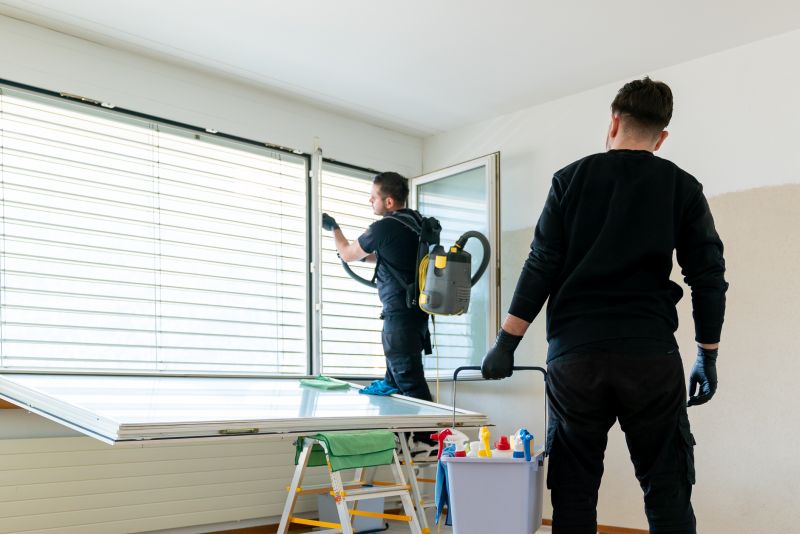
When people search for information on how dust and allergens build up in window treatments, they are typically concerned about indoor air quality and maintaining a clean, healthy living environment. Over time, window coverings such as blinds, shades, drapes, and shutters can accumulate dust, pollen, pet dander, and other airborne particles. This buildup not only makes window treatments look dull and dirty but can also contribute to allergy symptoms and respiratory issues for household members. Homeowners often look for ways to reduce these allergens, especially if someone in the home has allergies or asthma, and understand that regular cleaning is essential to keeping indoor air fresh and safe.
This topic relates directly to common problems like persistent dust on window coverings, increased allergy symptoms, and difficulty maintaining a clean home. Many property owners consider replacing or upgrading their window treatments to improve aesthetics and air quality, but often overlook the importance of proper cleaning. Plans for deep cleaning or maintenance of existing window treatments frequently involve professional services that specialize in removing built-up dust and allergens. These services can help extend the life of window coverings, reduce indoor allergens, and improve overall comfort. For homeowners working on allergy relief or home refresh projects, understanding how dust and allergens build up in window treatments is a key step in planning effective cleaning routines.
The types of properties that typically come up in this context include residential homes, especially those with multiple rooms, large windows, or high-traffic areas where dust tends to settle quickly. Apartments, condos, and single-family houses often have various window treatments that require regular attention. Some properties may feature older window coverings, which can trap more dust and allergens due to their material or design. In addition, homes with pets, smokers, or residents with allergies are more likely to experience significant buildup. Recognizing the property type and its specific needs helps homeowners determine whether professional cleaning services are necessary to keep their window treatments free of dust and allergens.
Professional service providers who specialize in dust and allergen removal from window treatments play a crucial role in helping homeowners address these issues effectively. These local contractors use specialized tools and cleaning methods to thoroughly remove accumulated dust, pollen, pet dander, and other allergens from various types of window coverings. Engaging with experienced professionals can make a noticeable difference in indoor air quality and the appearance of window treatments. For property owners planning to improve their home’s cleanliness or allergy management, connecting with local service providers ensures that the job is handled efficiently and safely. Proper cleaning by trained professionals can help maintain a healthier living environment and preserve the look and function of window treatments over time.
Upholstery Cleaning - professionals who clean furniture upholstery often deal with dust and allergens that settle on fabric surfaces, similar to buildup in window treatments.
Blinds and Shade Installation - local contractors specializing in window coverings understand how dust accumulates and can advise on proper maintenance to reduce allergen buildup.
Air Duct Cleaning - services that focus on removing dust and allergens from duct systems share techniques for controlling airborne particles that settle on window treatments.
Carpet Cleaning - experts in carpet cleaning tackle dust and allergens embedded in fibers, paralleling the buildup that occurs in fabric and paper window treatments.
Deep Cleaning Services - comprehensive cleaning providers address dust and allergen removal across various surfaces, including window treatments prone to buildup.
Furniture Polishing and Care - local pros offering furniture care know how dust settles on surfaces, providing insights relevant to maintaining clean window treatments.
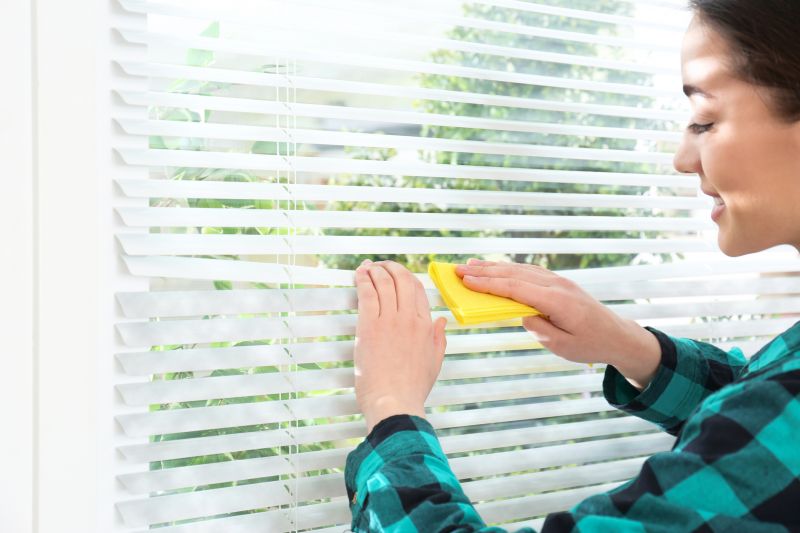
When comparing local contractors for dust and allergen window treatment cleaning, it is essential to consider their experience with similar projects. Homeowners should inquire about the types of window treatments the service providers have cleaned before and whether they are familiar with the specific materials in their home. An experienced contractor will understand the nuances of different fabrics, blinds, or shades and employ appropriate cleaning techniques to effectively remove dust and allergens without damaging delicate surfaces. This familiarity can lead to more thorough cleaning and better results, helping to improve indoor air quality and reduce allergen buildup over time.
Clear written expectations are also a crucial factor when evaluating potential service providers. Homeowners should seek detailed descriptions of the cleaning process, including what is included and what is not, to ensure there are no surprises. Understanding the scope of work helps set realistic expectations and allows for better communication about specific concerns, such as allergy sensitivities or delicate treatments. Reputable contractors often provide detailed service descriptions, which can serve as a basis for discussing any special requirements or preferences, leading to a more satisfactory experience.
Finally, reputable references and good communication are key indicators of a reliable local contractor. Homeowners should ask for references or reviews from previous clients who had similar dust and allergen cleaning needs. This feedback can provide insight into the contractor’s professionalism, attention to detail, and ability to communicate effectively throughout the project. Good communication ensures that homeowners can ask questions, clarify expectations, and receive updates, fostering a smoother process and increasing confidence in the chosen service provider’s ability to handle the job properly.
Property owners often search for how dust and allergens build up in window treatments when they are planning practical projects around their homes and businesses. Local pros provide Dust and Allergen Window Treatment Cleaning services for everyday jobs and straightforward project options.


Dust and allergens tend to accumulate in window treatments over time, especially in homes where windows are frequently opened or where air circulation is limited. Everyday activities like opening curtains or blinds, combined with indoor air particles such as pet dander, pollen, and dust mites, can lead to a buildup that is difficult to remove with regular cleaning. Property owners in the area might notice increased dust levels or allergy symptoms and wonder if their window coverings are contributing to the problem. Local contractors who specialize in cleaning window treatments can provide effective solutions to help reduce these allergens, creating a cleaner and healthier indoor environment.
Many people overlook how much dust and allergens can hide in fabric curtains, blinds, or shutters, especially in hard-to-reach areas. Routine dusting often doesn’t fully eliminate the buildup, which can exacerbate allergy issues or respiratory discomfort. Property owners seeking a thorough clean may consider professional services to address these concerns. Local service providers are equipped to handle various window treatment types, ensuring that dust and allergens are properly removed, and helping maintain a fresher, more comfortable living space.
How do dust and allergens build up in window treatments? Dust and allergens settle on window treatments through everyday air circulation, settling into fabrics, blinds, and other materials over time, especially in areas with higher indoor pollution or pet dander.
Why are window treatments prone to allergen accumulation? Window treatments often have surfaces that trap dust and allergens, and their proximity to windows allows outdoor particles to enter and settle, making regular cleaning essential.
How can local contractors help remove dust and allergens from window treatments? Local service providers can perform thorough cleaning methods, such as dusting, vacuuming, or deep cleaning, to effectively reduce allergen buildup and improve indoor air quality.
What types of window treatments are most susceptible to dust and allergen buildup? Fabric curtains, blinds, and shades with textured surfaces tend to trap more dust and allergens compared to smooth, hard surfaces, requiring more frequent cleaning.
How often should window treatments be cleaned to prevent allergen buildup? Regular cleaning, typically every few months, can help prevent significant dust and allergen accumulation, especially in households with allergy sufferers or pets.
Understanding dust accumulation - Recognizing how dust and allergens settle in window treatments can help property owners plan regular cleaning routines with local contractors.
Choosing appropriate cleaning methods - Selecting the right cleaning techniques based on fabric or material type can reduce allergen buildup and improve indoor air quality.
Scheduling routine cleanings - Regular cleaning appointments with local service providers can prevent excessive dust and allergen accumulation in window treatments.
Implementing protective measures - Using dust barriers or treatments can minimize the amount of dust and allergens that build up over time in window coverings.
If you are thinking about how dust and allergens build up in window treatments for a property, this guide is meant to help you understand this topic, the typical project types, and how different options might fit your plans.
When you are ready, you can use the quote form on this page to share a few details about your project. From there, local pros can review the basics and follow up with options that match what you have in mind.